
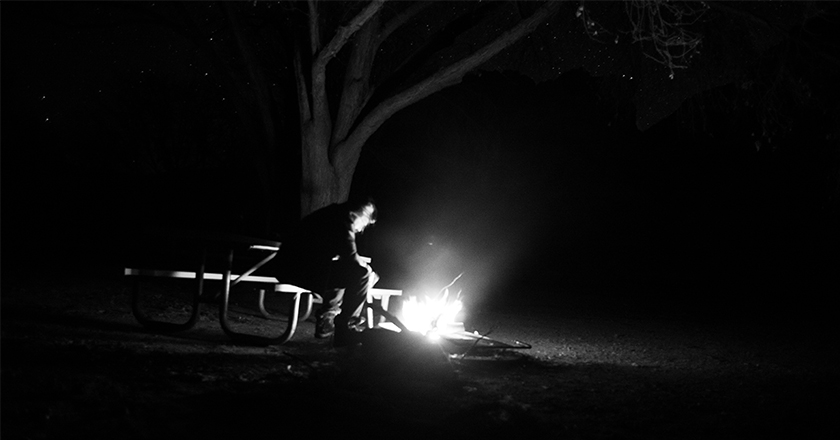
Tips for winter camping
If you’re a fan of camping, then winter camping is the perfect way to get away from it all. However, there are some things you should know about before going out into the wilds in winter. Here are some tips on how to make sure your next winter camping trip goes smoothly:
Be prepared – make sure you have the right gear
It’s important to be prepared for any situation. Remember, you can’t control the weather but you can prepare for it. You may have been lucky in your previous camping trips and not encountered any bad conditions, but remember that the weather changes quickly and even if the forecast says sunny skies all week, there will be days when it rains or snows unexpectedly.
Be prepared for cold weather by bringing proper clothing and sleeping bags with you on your trip. Don’t rely on what everyone else has brought as each person has their own preferences when it comes to sleeping bag choice, so make sure yours suits your needs before setting off on a winter expedition!
Choose a groundsheet that’s easy to clean.
A groundsheet is a piece of material that sits under your sleeping bag and helps protect it from the cold and moisture. A good one should be lightweight, waterproof, easy to clean and durable.
There are many different types of groundsheets available: plastic sheets, canvas sheets and Tyvek® all-weather material are all popular choices as long as they meet the above criteria.
A tarpaulin or carpet could also work if it’s not too heavy for you to carry around – just make sure there’s no loose stitching around the edges that could let water seep in!
Use good quality boots, and don’t forget to wear wool or thick socks.
It’s important to use good quality boots. They should be waterproof, have good soles, and be insulated. You can get by with a cheaper pair for summer camping, but in winter you need something more heavy duty. Make sure you wear wool or thick socks inside them to keep your feet warm (and don’t forget some hand warmers too!).
Make sure that both pairs of socks are worn together as this will give you an extra layer of insulation between your boot and pants/jacket.
Make sure the tent is well-anchored to the wind.
The first step to a great night’s sleep is making sure the tent is well-anchored to the wind. In this case, I’m talking about properly staking down your tent with pegs or stakes.
The best way to prevent having a tent blow over during a storm is by anchoring it into the ground with stakes or other devices such as guy lines and tensioners. A well-staked down tent will be able to withstand strong winds much more easily than one that isn’t secured properly. If you’re in an area where there are trees around you, consider using them as anchor points by tying off some rope on their branches and attaching that rope directly onto your own anchors inside of your fenestrated dome!
Avoid cotton clothing at all costs. Wool and synthetic materials are best for keeping warm.
If you’re going to be spending time outside in winter, it’s important to bring clothing that keeps you warm.
The best fabrics for keeping your core warm are wool or synthetic materials (such as polyester). Cotton is not a good choice for winter activities—it gets wet easily and takes longer than other materials to dry. If cotton gets wet and stays damp, it will get colder than normal items made from other fabrics because the cotton soaks up heat from your body. When wet, a cotton shirt can make you feel like you’re wearing an ice cube against your skin!
Some simple tips can make your camping trip more comfortable
Wear layers to stay warm.
Use a sleeping bag inside a waterproof bag, and use your pack as an extra pillow.
Choose a groundsheet that is easy to clean, as well as having enough ventilation for the stove and all of your cooking gear if you’re using it inside your tent (you should). If you have enough room to store them outside of the tent, consider bringing along some old towels or rags for drying wet things like boots or wet shoes at night before going back into the tent with dry socks on (your own feet will thank you).
Make sure that when setting up your tent that it’s well anchored against strong winds; otherwise they could come down at any moment!
Stay hydrated. Drink plenty of water before heading out and bring a water bottle with you.
Drink every time you feel thirsty and more if it’s hot or if you’re active, even when it’s not hot outside! Dehydration is a serious risk for many people in winter months because we can get dehydrated faster than our bodies realize.
Have fun together. Don’t be discouraged if it’s not as much fun as summer camping; that’s just how it is!
Remember, winter camping is just as much fun as summer camping. You just have to be prepared for the colder weather and remember to have fun together. Make sure you have a good tent, sleeping bag and clothing so that everyone stays warm.
Winter camping can be a great way to get away from it all, recharge your batteries, and enjoy some quiet time with nature.
Conclusion
So there we have it. The world of winter camping is a huge one, and each trip can be different from the last. Whether you’re just starting out or you’ve been doing this for years, these tips will help keep you safe and comfortable in all kinds of conditions. The best thing about winter camping? There are no limits! You can go anywhere and do anything – as long as there are trees nearby.